W związku z trudną sytuacją sektora sportowego wywołaną pandemią Covid-19 Sekcja Praw Człowieka w Sporcie przy Polskim Instytucie Praw Człowieka i Biznesu, w porozumieniu z Polskim Związkiem Piłkarzy, Związkiem Zawodowym Koszykarzy i Stowarzyszeniem Zawodników Hokeja na Lodzie wystąpiły do Ministerstwa Sportu z propozycją pilnego zorganizowania wideo-obrad z udziałem wszystkim interesariuszy rynku sportowego – klubów i federacji, a także organizacji zawodniczych, przedstawicieli środowiska trenerskiego, sędziowskiego, a także sponsorów i przedsiębiorców inwestujących w sport.
Cel obrad to:
określenie głównych problemów, jakie dla sektora sportowego stwarza obecna sytuacja; oraz
wypracowanie w gronie wszystkich interesariuszy postulatów, dobrych praktyk i modelowych rozwiązań tych problemów
Sektor sportowy dotkliwie odczuwa skutki ekonomiczne pandemii Covid-19. Zakończone przedwcześnie rozgrywki ligowe, odwołane turnieje i imprezy sportowe narażają na straty wszystkich interesariuszy rynku sportowego.
W nadzwyczajnych okolicznościach trudno przewidzieć, jak rozwinie się sytuacja i jak zachowają się partnerzy. Nie sprzyja to rozwiązywaniu problemów w sposób zgodny i optymalny, co może być powodem destruktywnych konfliktów i sporów. Tymczasem sektorowi potrzeba solidarności i konstruktywnej współpracy oraz dialogu i komunikacja pomiędzy wszystkimi interesariuszami zgodnie z fundamentalną dla świata sportu zasadą fair play.
Liczymy na to, że nasza propozycja spotka się z pozytywną odpowiedzią i że wkrótce będziemy mogli Państwa zaprosić do udziału w wideo-obradach.
Chęć uczestnictwa wraz ze wskazaniem reprezentowanej instytucji oraz propozycjami zagadnień do omówienia w trakcie obrad prosimy zgłaszać poprzez formularz Google Forms(forma preferowana)do 26 marca 2020 r. Pytania należy kierować na adres: stanislaw.drozd@pihrb.org
Liczba miejsc jest ograniczona. Pierwszeństwo udziału przysługiwać będzie osobom reprezentującym organizacje sportowe.
AKTUALIZACJA:
Ministerstwo Sportu ustosunkowało się negatywnie do naszej propozycji. Choć w odpowiedzi podkreślono, że „podejmując wszelkie inicjatywy i ogłaszając programy wspierające polski sport, Ministerstwo zawsze bierze pod uwagę potrzeby całego środowiska sportowego. (…) Również w aktualnej sytuacji podejmujemy działania i intensywnie dążymy do wypracowania najlepszych dla polskiego sportu i polskich sportowców rozwiązań”, niestety nie wskazano w jaki sposób prowadzone są konsultacje z przedstawicielami zawodników.
Z naszych informacji wynika, że z organizacjami zrzeszającymi zawodników sportów zespołowych tj. Polskim Związkiem Piłkarzy, Związkiem Zawodowym Koszykarzy i Stowarzyszeniem Zawodników Hokeja na Lodzie Ministerstwo się nie kontaktowało. W naszej opinii, podejmowanie decyzji mających wpływ na życie określonej grupy interesariuszy bez zaproszenia jej przedstawicieli do rozmów i prowadzenie ustaleń wyłącznie z klubami i związkami, jest nie tylko nieetyczne i sprzeczne z zasadą dialogu z interesariuszami, do której samo ministerstwo zachęcało do niedawna w promowanym przez siebie Kodeks Dobrego Zarządzania dla Polskich Związków Sportowych, ale i sprzeczne z zasadami wynikającymi z Wytycznych ONZ dot. biznesu i praw człowieka, które Polski rząd zobowiązał się wdrożyć i dalece odbiegające od zasady Fair Play, która powinna obowiązywać nie tylko na boisku.
Informacja o planowanych wideo-obradach – wersja PDF.
Pismo do Ministerstwa Sportu podkreślające konieczność prowadzenia dialogu z wszystkimi interesariuszami – wersja PDF
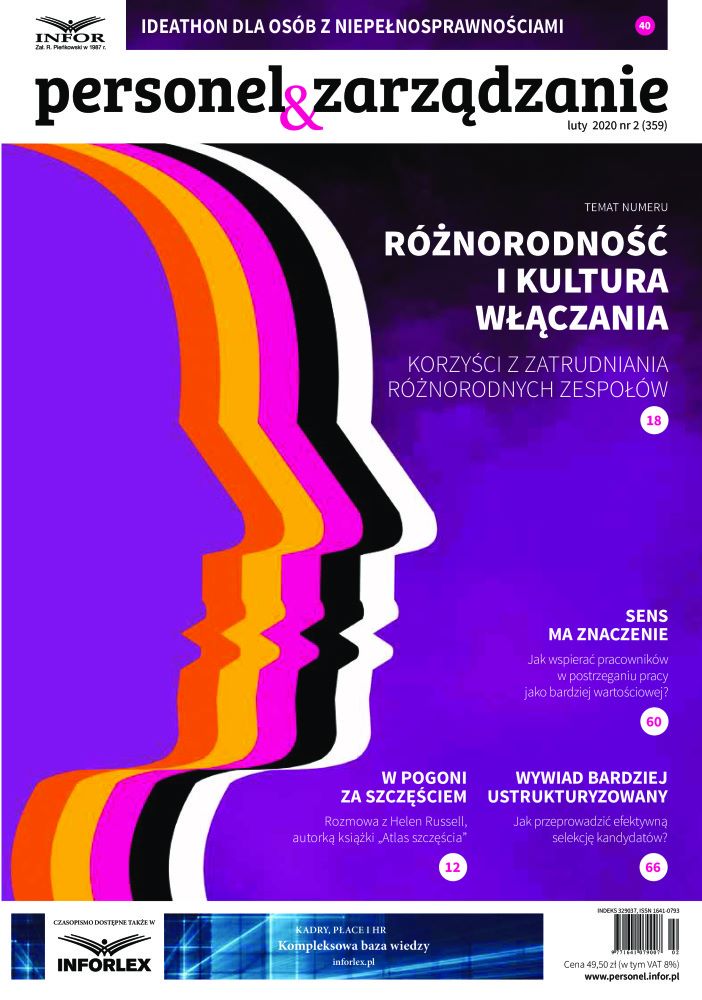
Z przyjemnością odnotowujemy, że ubiegłoroczne seminarium nt. kultury włączającej zainspirowało wydawców czasopisma „Personel i Zarządzanie”.
W najnowszym – lutowym – wydaniu czasopisma, kultura włączająca ma swoje centralne miejsce jako „Temat numeru”. Wśród artykułów znalazły się także dwa teksty autorstwa autorstwa ekspertek związanych z naszym instytutem: Beaty Faracik i Dominiki Sadowskiej (Strefa Różnorodności).
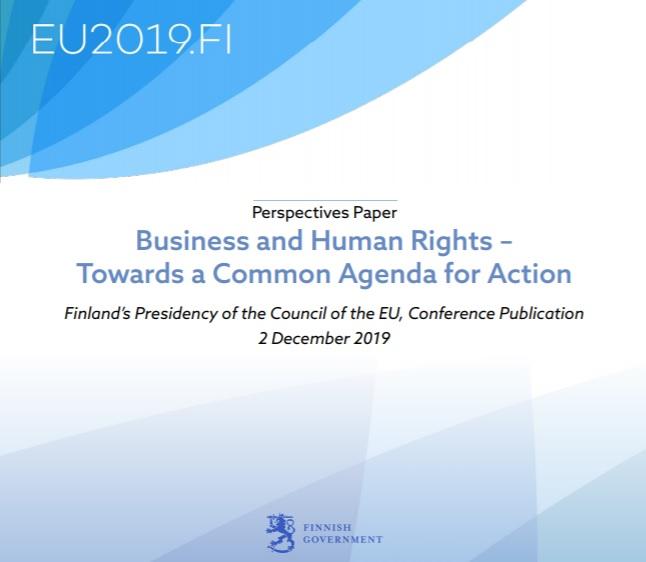
Polski Instytut Praw Człowieka i Biznesu został zaproszony przez Prezydencję Fińską w Radzie EU do opracowania tekstu mającego stanowić wkład w publikację towarzyszącą konferencji Prezydencji Fińskiej w Radzie UE pt. „Perspectives Paper – BUSINESS AND HUMAN RIGHTS: TOWARDS A COMMON AGENDA FOR ACTION”.
Nasz tekst zdecydowaliśmy się dedykować problematyce, która w naszej ocenie jest jedną z największych przeszkód dla stworzenia ram do zapewnienia poszanowania praw człowieka przez przedsiębiorców, czyli braku spójności istniejącego prawa.
Session organized by the UN Working Group on Business and Human Rights in collaboration with the Polish Institute for Human Rights and Business (PIHRB)
Webcast of the session: Meeting link Meeting number: 840 368 810 Password: 7KAXPwtJ
This session will be chaired by Elżbieta Karska, chairperson of the UN Working Group on Business and Human Rights.
Brief Description: This Forum session is part of the Forum track on trends and challenges in promoting business respect for human rights in the context of each region of the world. Building on the sessions on government action on the Forum’s first day, the region focused discussions aim to take a closer look at how to overcome key business-related human rights challenges faced in Eastern European countries and lessons learned from emerging government, business and civil society initiatives.
Objectives of the session: The session will address initiatives to implement the UN Guiding Principles (UNGPs) and will explore challenges and lessons learned on how States and businesses are discharging their respective duties and responsibilities across the three pillars of the “Protect, Respect and Remedy” Framework of the UNGPs. This include initiatives taken by the State to protect against business-related human rights abuses, particularly in its role as an economic actor. Discussions will also address how businesses identify, prevent, mitigate and account for the negative human rights impacts they may cause, including through lessons learned from human rights due diligence across large supply chains. The session will also address the role of investors in taking meaningful action to use their leverage to encourage companies and governments to respect and protect human rights in line with the UNGPs. Access to an effective remedy, especially for individual and groups at heightened risk of abuses, including human rights defenders, women and girls, workers in low-wage sectors and migrant workers will also be discussed. Drawing from the experience of those countries in the region that have developed a national action plan on business and human rights and of those in the process of developing one, the session will also provide opportunity platform to discuss lessons learned and innovations from these initiatives, as well as from inter-State cooperation and peer-learning efforts.
Format of the session: The proposed session will be done in a talk show format with the participants having the opportunity to raise questions amongst each other as in a public dialogue. The session will be chaired by Ms Elżbieta Karska, Chair of the UN Working Group. Representatives from different stakeholders will kick start the conversation by delivering brief presentations about the various emerging and ongoing activities to implement the UNGPs in different countries of the region. Presentations will be followed by Q&A.
Tentative agenda The session will be opened by short introductory remarks by Ms. Elżbieta Karska, Chair of the UN Working Group and organized in three panel discussions, which will include brief presentations by panellists followed by Q&A segments. All panel discussions will focus on concrete examples, challenges, innovations and lessons learned regarding the implementation of the UNGPs in the region.
Composition of the panels:
1. Perspectives from the civil society and academia: (40 minutes)
Ms Beata Faracik, Co-Founder & President of the Board of the Polish Institute for Human Rights and Business (Poland)
Ms Ani Khachatryan, Seize Armenian Environmental Front (Armenia)
Moderator: Mr. Jernej Černič, Associate Professor of Constitutional and Human Rights Law, New University, Ljubljana, Slovenia
2. Perspectives from the governments: (40 minutes)
Ms. Urška Čas, Directorate for Multilateral Relations, Development Cooperation and International Law, Slovenia
Second government representative TBC
Moderator: Ms Olena Uvarova, PhD, Head of the International Lab on Business and Human Rights Yaroslav Mudryi National Law University, Ukraine
3. Perspectives from business: (40 minutes)
Ms. Tatyana Derivedmid, Sakhalin Energy, Russia
Ms. Anna Miazga, Sustainability Expert, LPP S.A., Poland
Moderator: Ms Lucie Mádlová Founder and Executive Director of the Association of Social Responsibility and Chairwoman of Steering Committee of the Global Compact Network (Czech Republic)
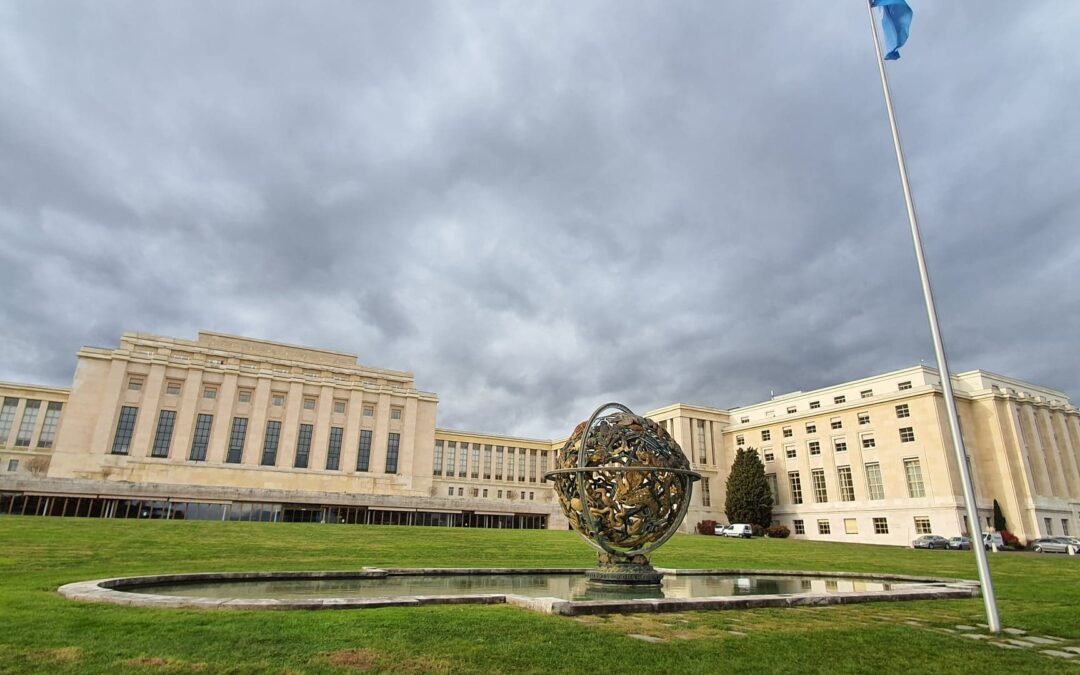
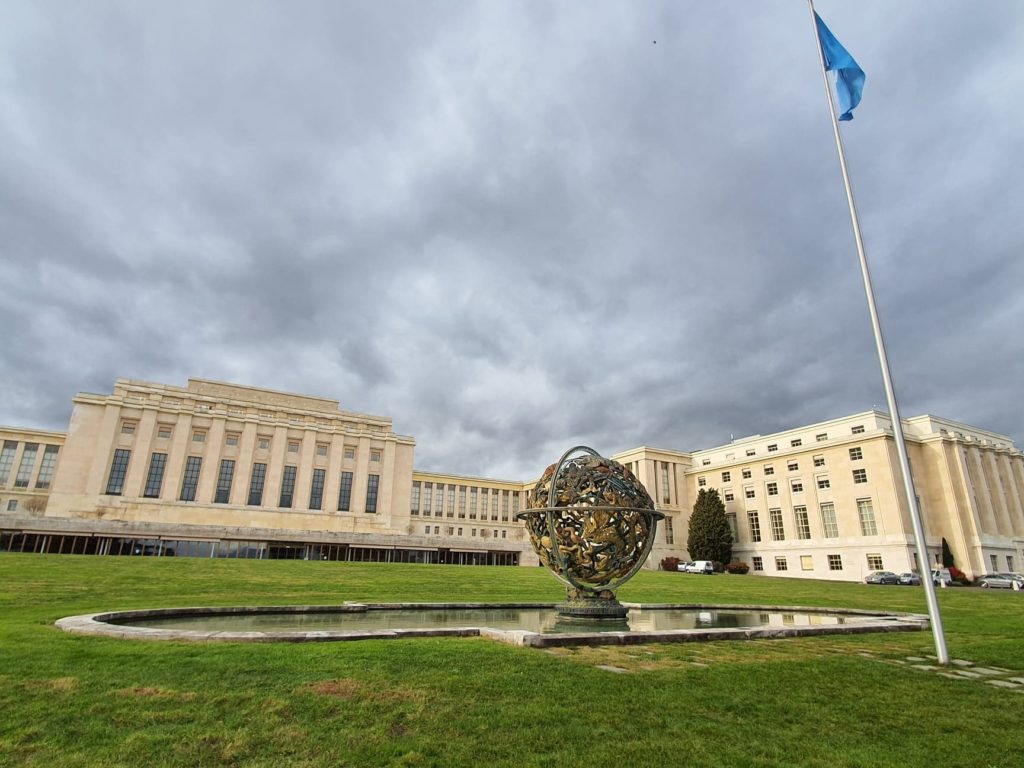
Panel dedykowany perspektywie społeczeństwa obywatelskiego, w którym głos zabrała Beata Faracik, prezeska PIHRB. Siedziba ONZ w Genewie
Session organized by the UN Working Group on Business and Human Rights in collaboration with the Polish Institute for Human Rights and Business (PIHRB)
Webcast of the session: Meeting link Meeting number: 840 368 810 Password: 7KAXPwtJ
This session will be chaired by Elżbieta Karska, chairperson of the UN Working Group on Business and Human Rights.
Brief Description: This Forum session is part of the Forum track on trends and challenges in promoting business respect for human rights in the context of each region of the world. Building on the sessions on government action on the Forum’s first day, the region focused discussions aim to take a closer look at how to overcome key business-related human rights challenges faced in Eastern European countries and lessons learned from emerging government, business and civil society initiatives.
Objectives of the session: The session will address initiatives to implement the UN Guiding Principles (UNGPs) and will explore challenges and lessons learned on how States and businesses are discharging their respective duties and responsibilities across the three pillars of the “Protect, Respect and Remedy” Framework of the UNGPs. This include initiatives taken by the State to protect against business-related human rights abuses, particularly in its role as an economic actor. Discussions will also address how businesses identify, prevent, mitigate and account for the negative human rights impacts they may cause, including through lessons learned from human rights due diligence across large supply chains. The session will also address the role of investors in taking meaningful action to use their leverage to encourage companies and governments to respect and protect human rights in line with the UNGPs. Access to an effective remedy, especially for individual and groups at heightened risk of abuses, including human rights defenders, women and girls, workers in low-wage sectors and migrant workers will also be discussed. Drawing from the experience of those countries in the region that have developed a national action plan on business and human rights and of those in the process of developing one, the session will also provide opportunity platform to discuss lessons learned and innovations from these initiatives, as well as from inter-State cooperation and peer-learning efforts.
Format of the session: The proposed session will be done in a talk show format with the participants having the opportunity to raise questions amongst each other as in a public dialogue. The session will be chaired by Ms Elżbieta Karska, Chair of the UN Working Group. Representatives from different stakeholders will kick start the conversation by delivering brief presentations about the various emerging and ongoing activities to implement the UNGPs in different countries of the region. Presentations will be followed by Q&A.
Tentative agenda The session will be opened by short introductory remarks by Ms. Elżbieta Karska, Chair of the UN Working Group and organized in three panel discussions, which will include brief presentations by panellists followed by Q&A segments. All panel discussions will focus on concrete examples, challenges, innovations and lessons learned regarding the implementation of the UNGPs in the region.
Composition of the panels:
1. Perspectives from the civil society and academia: (40 minutes)
Ms Beata Faracik, Co-Founder & President of the Board of the Polish Institute for Human Rights and Business (Poland)
Ms Ani Khachatryan, Seize Armenian Environmental Front (Armenia)
Moderator: Mr. Jernej Černič, Associate Professor of Constitutional and Human Rights Law, New University, Ljubljana, Slovenia
2. Perspectives from the governments: (40 minutes)
Ms. Urška Čas, Directorate for Multilateral Relations, Development Cooperation and International Law, Slovenia
Second government representative TBC
Moderator: Ms Olena Uvarova, PhD, Head of the International Lab on Business and Human Rights Yaroslav Mudryi National Law University, Ukraine
3. Perspectives from business: (40 minutes)
Ms. Tatyana Derivedmid, Sakhalin Energy, Russia
Ms. Anna Miazga, Sustainability Expert, LPP S.A., Poland
Moderator: Ms Lucie Mádlová Founder and Executive Director of the Association of Social Responsibility and Chairwoman of Steering Committee of the Global Compact Network (Czech Republic)
Panel dedykowany perspektywie społeczeństwa obywatelskiego, w którym głos zabrała Beata Faracik, prezeska PIHRB. Siedziba ONZ w Genewie
Aby zapewnić jak najlepsze wrażenia, korzystamy z technologii, takich jak pliki cookie, do przechowywania i/lub uzyskiwania dostępu do informacji o urządzeniu. Zgoda na te technologie pozwoli nam przetwarzać dane, takie jak zachowanie podczas przeglądania lub unikalne identyfikatory na tej stronie. Brak wyrażenia zgody lub wycofanie zgody może niekorzystnie wpłynąć na niektóre cechy i funkcje.
Funkcjonalne
Zawsze aktywne
Przechowywanie lub dostęp do danych technicznych jest ściśle konieczny do uzasadnionego celu umożliwienia korzystania z konkretnej usługi wyraźnie żądanej przez subskrybenta lub użytkownika, lub wyłącznie w celu przeprowadzenia transmisji komunikatu przez sieć łączności elektronicznej.
Preferencje
Przechowywanie lub dostęp techniczny jest niezbędny do uzasadnionego celu przechowywania preferencji, o które nie prosi subskrybent lub użytkownik.
Statystyka
Przechowywanie techniczne lub dostęp, który jest używany wyłącznie do celów statystycznych.Przechowywanie techniczne lub dostęp, który jest używany wyłącznie do anonimowych celów statystycznych. Bez wezwania do sądu, dobrowolnego podporządkowania się dostawcy usług internetowych lub dodatkowych zapisów od strony trzeciej, informacje przechowywane lub pobierane wyłącznie w tym celu zwykle nie mogą być wykorzystywane do identyfikacji użytkownika.
Marketing
Przechowywanie lub dostęp techniczny jest wymagany do tworzenia profili użytkowników w celu wysyłania reklam lub śledzenia użytkownika na stronie internetowej lub na kilku stronach internetowych w podobnych celach marketingowych.