utworzone przez Faratka | lis 24, 2015 | Komentarze, News, Publikacje
Zachęcamy do przeczytania gościnnego wpisu na blogu firmy Microsoft autorstwa Beaty Faracik, prezeski fundacji, poświęconego warsztatowi dla biznesu nt. Ram sprawozdawczości zgodnej z Wytycznymi ONZ dot. biznesu i praw człowieka, który miał miejsce 12 listopada 2015 r. w Warszawie.
Wpis można przeczytać także poniżej:
Making Inroads on Corporate Responsibility Agenda
Beata Faracik, 18.11.2015
More than four years ago, the UN’s ‘Guiding Principles on Business and Human Rights’ (UNGPs) were proposed by John Ruggie, UN Special Representative on business and human rights, and endorsed by the UN Human Rights Council and the European Commission.
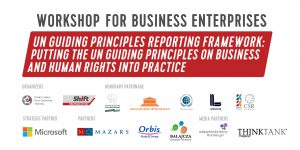
Last Thursday, ahead of this week’s UN Forum on Business and Human Rights in Geneva, the first ever roundtable focusing exclusively on business and human rights was held in Warsaw. The event, attended by 17 companies representing different sectors, was designed to provide the participants with the information necessary to get them started on the best path to implementing the UNGPs, including an introduction to the UN Guiding Principles Reporting Framework. This new reporting standard, developed by the Shift Project and Mazars, is meant to help companies advance their human rights practices by providing critical guidance not only on reporting aligned with UNGPs, but also on human rights management, communication and transparency.
The initial idea for the event originated at the Polish Institute of Human Rights and Business(PIHRB). It followed earlier efforts undertaken by the organization to build understanding within Polish companies of what human rights are and how they relate to companies’ day-to-day operations. The common goal of those early activities, as well as last week’s roundtable, is to provide Polish terminology and context for a number of key concepts, such as salient human rights issues, human rights risk management or human rights due diligence, that are critical to adequately understanding corporate responsibility to respect human rights and to implementing the UNGPs.
The workshop was delivered jointly by PIHRB and the Shift Project to ensure that Polish companies get access to the best know-how available in this area and are well-equipped to take the first steps toward improving their human rights performance. The event had the backing of the Polish Ombudsman, the Minister of Economy, the Global Compact Network Poland as well as business association Konfederacja Lewiatan and CSR Europe. In his opening statement the Ombudsman highlighted the importance of corporate respect for human rights and announced plans to create a Working Group on Business and Human Rights at his office to support government-led efforts to develop a national action plan in this field.
As one of the main sponsors, Microsoft’s key contribution was to share the company’s experience with the implementation of the UNGPs and lessons learnt from applying the UNGP Reporting Framework. Microsoft was one of the first technology companies to publically endorse the principles and commit to raise awareness and help advance them. With no Polish company having experience in the implementation of the UNGPs, let alone using the UNGP Reporting Framework, Dan Bross, Senior Director for Business and Corporate Responsibility at Microsoft, provided valuable guidance and encouraged an open discussion amongst the participants on identifying issues and finding appropriate solutions to the ‘real life’ challenges to be encountered at various stages throughout the process.
PIHRB will drive forward this practical approach to discussing the management of human rights issues which resonated well with participants with more focused, sector-oriented roundtables while accompanying the critical work of the government to define next steps for Poland’s new business and human rights agenda.
utworzone przez Faratka | lis 18, 2015 | News
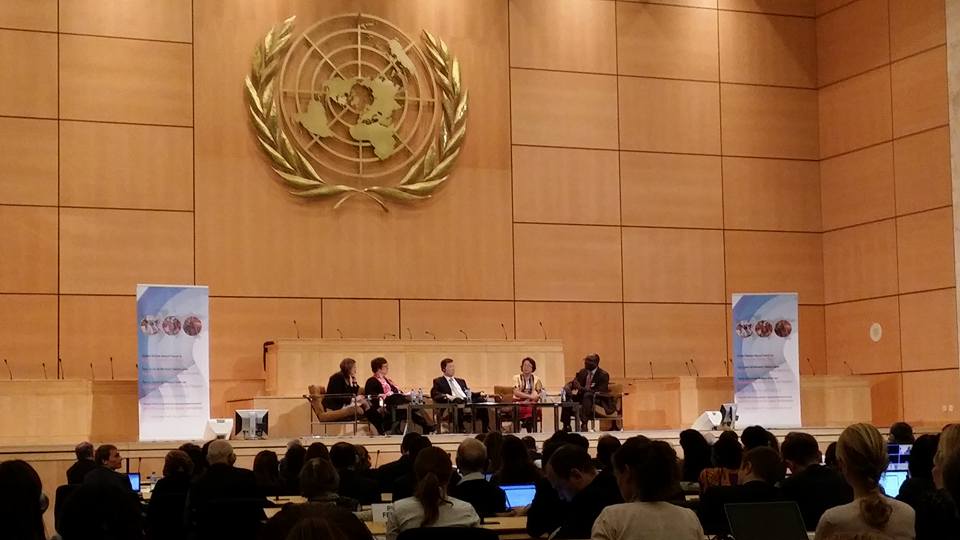
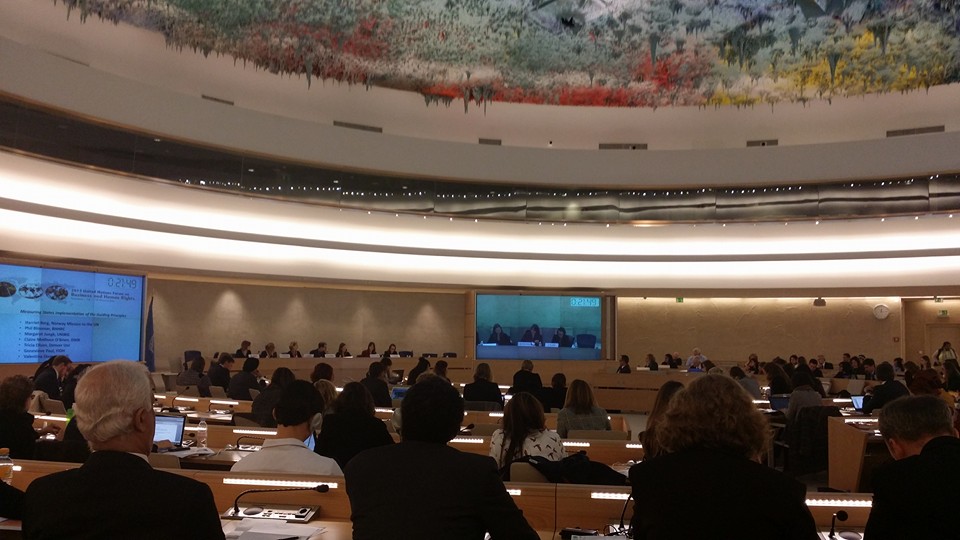
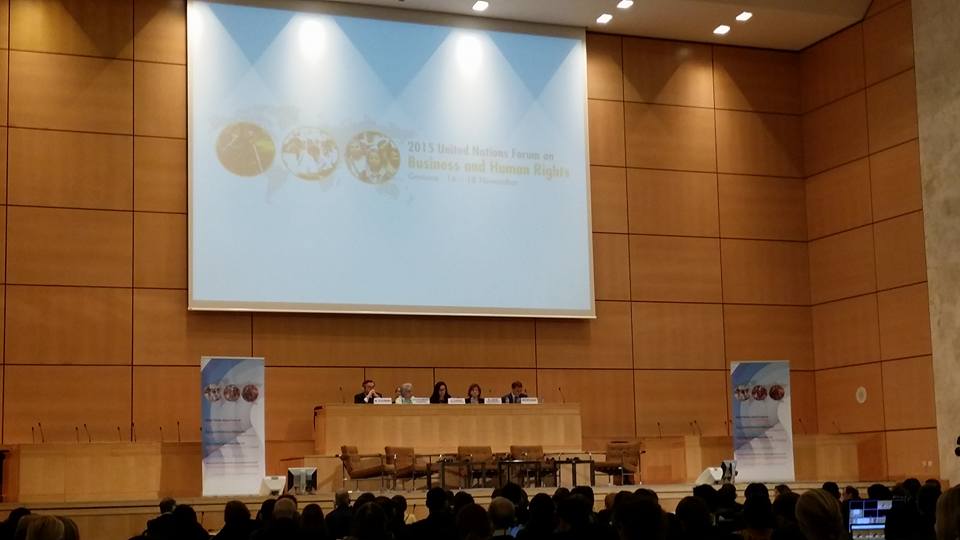
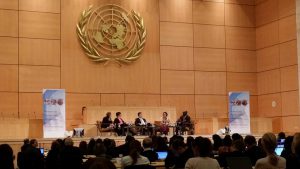
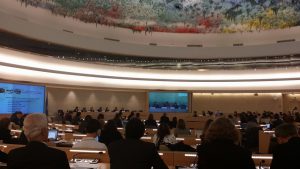
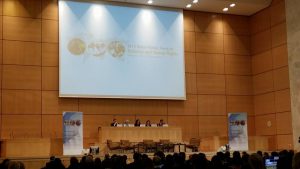
Już po raz czwarty przedstawiciele Polskiego Instytutu Praw Człowieka i Biznesu uczestniczą w dorocznym zgromadzeniu ekspertów i interesariuszy zainteresowanych problematyką praw człowieka i biznesu. Tegoroczne forum, które odbywa się w dniach 16-18 listopada 2015 r., koncentruje się na śledzeniu i mierzenia postępu we wdrażaniu Wytycznych ONZ dot. Biznesu i Praw Człowieka oraz zapewnianiu komplementarnosci i spójności działań w tym zakresie.
 W czasie Forum zaprezentowano m.in. zaktualizowane wytyczne Grupy Roboczej ONZ ds. biznesu i praw człowieka dotyczące procesu i zawartości Krajowych Planów Działań w obszarze biznesu i praw człowieka; jak również nowe interdyscyplinarne czasopismo „Business and Human Rights Journal” (Cambridge University Press), w którym obok artykułów naukowych jest także sekcja 'developments from the field’.
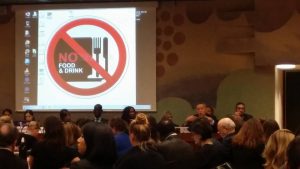 Także Polski Instytut Praw Człowieka i Biznesu oraz nasz czwartkowy warsztat dla biznesu miały swoje przysłowiowe „5 minut” w trakcie dyskusji panelowej poświęconej roli prawników we wdrażaniu Wytycznych ONZ, przewołane w wypowiedzi Dana Bross z firmy Microsoft.
Tradycyjnie już Forum było także okazją do nawiązania ciekawych kontaktów, które – mamy nadzieję – zaowocują interesującymi projektami w przyszłości.
utworzone przez Faratka | paź 30, 2015 | News
Z radościa informujemy, że projekt SMART (Sustainable Market Actors for Responsible Trade Project) opracowany przez międzynarodowe konsorcjum badawcze pod kierunkiem The Research Group on Companies, Markets, Society and the Environment Universytetu w Oslo, w skład którego wchodzi także Polski Instytut Praw Człowieka i Biznesu otrzymał dofinansowanie w ramach programu grantowego UE Horizon2020!
W ramach projektu instytut będzie odpowidał za opracowanie szeregu analiz prawnych oraz organizację spotkania z udziałem interesariuszy w Polsce.
Informacje o projekcie będziemy zamieszczać na naszej stronie www oraz w mediach społecznościowych. Można je także śledzić na stronie Uniwersytetu Oslo, poświęconej projektowi SMART.
utworzone przez Faratka | paź 27, 2015 | News, Szkolenia i wydarzenia
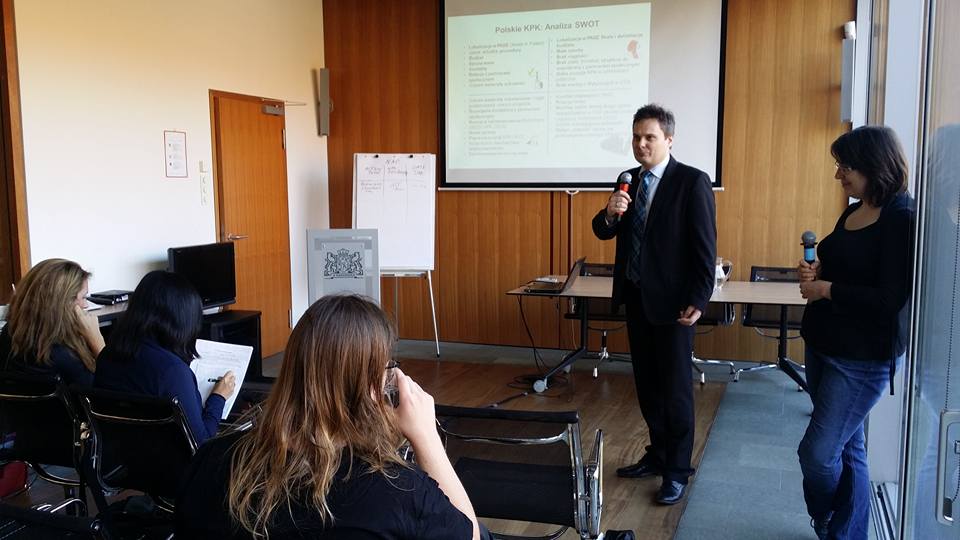
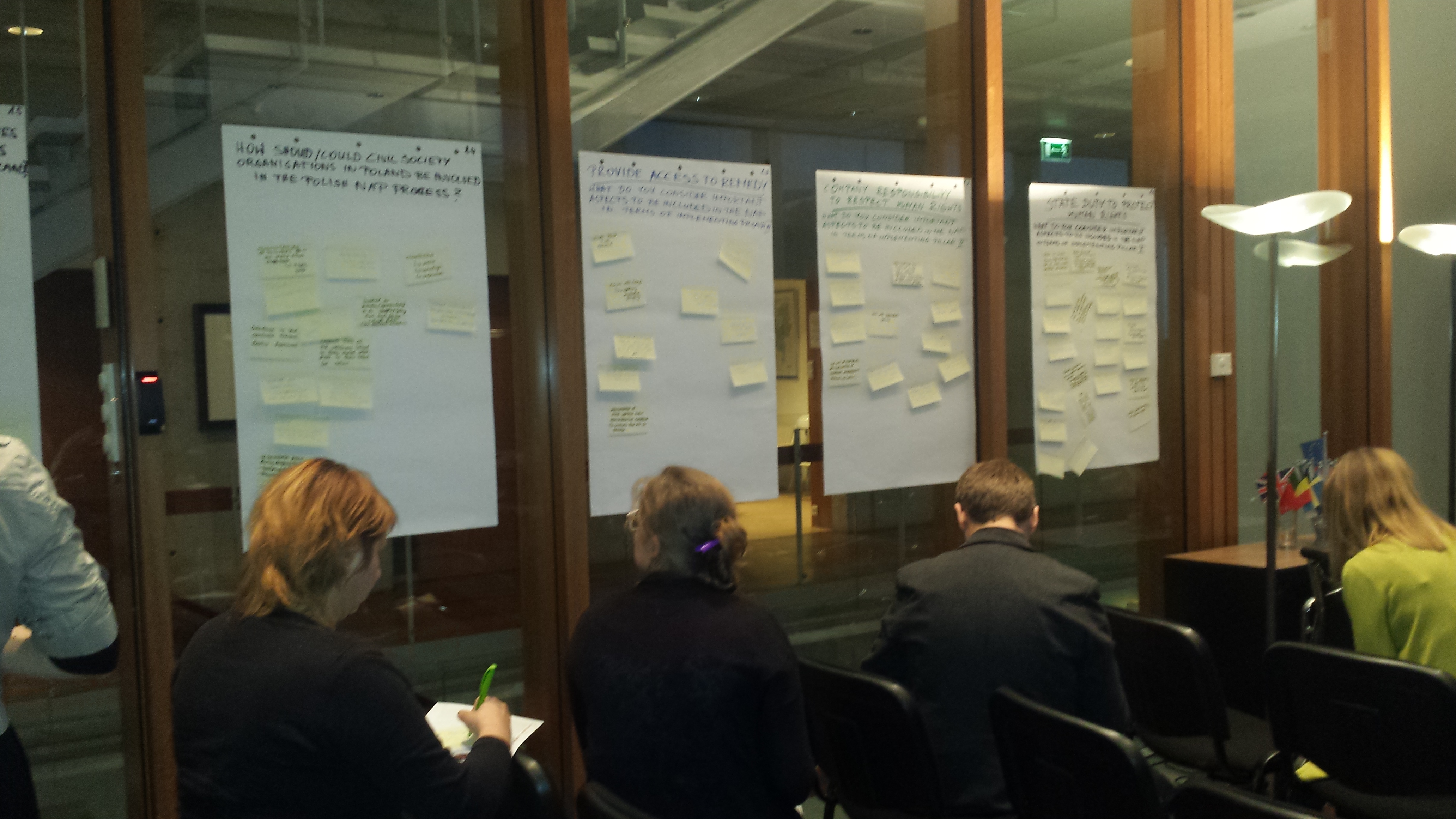
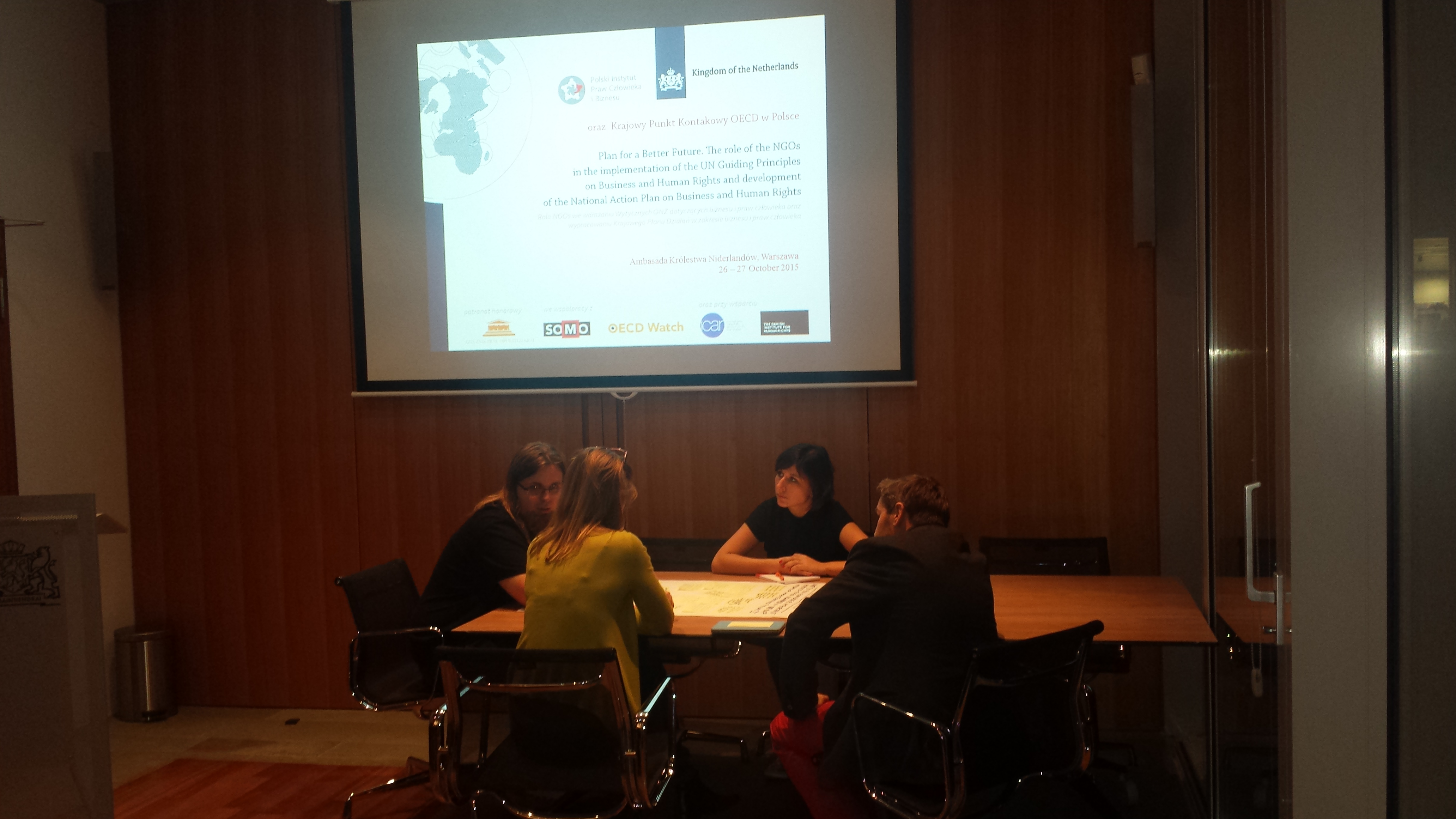
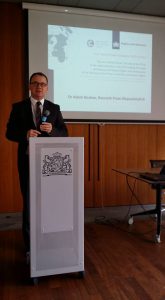
Jest nam niezwykle miło, że Rzecznik Praw Obywatelskich wybrał otwarcie organizowanego przez nasz instytut we współpracy z Ambasadą Królestwa Niderlandów i Krajowym Punktem Kontaktowym OECD warsztatu dla NGOs nt. biznesu i praw człowieka aby poinformować o swoim planie powołania specjalnej grupy roboczej w Biurze RPO ds. biznesu i praw człowieka. W skład grupy roboczej obok niezależnych ekspertów mają wejść przedstawiciele poszczególnych grup interesariuszy, w tym parnerów społecznych i NGOs.
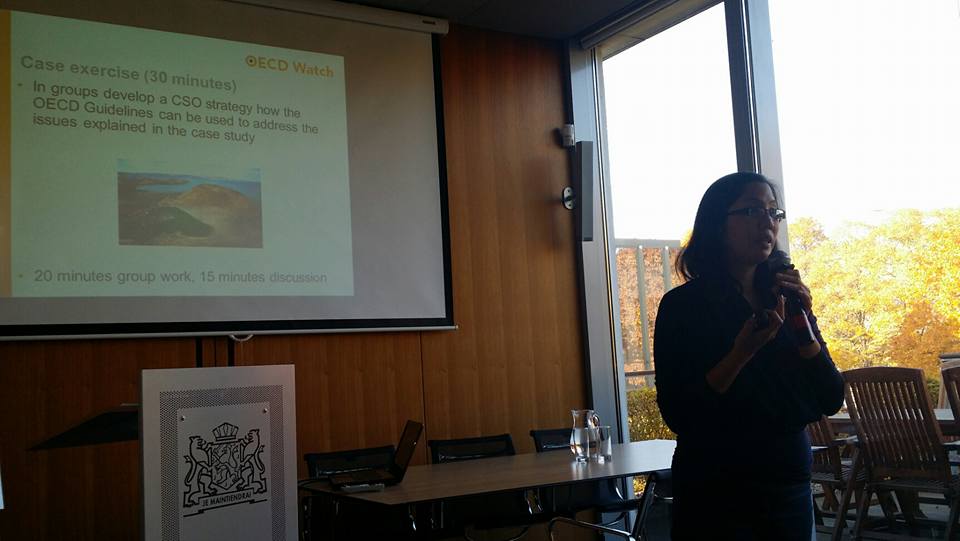
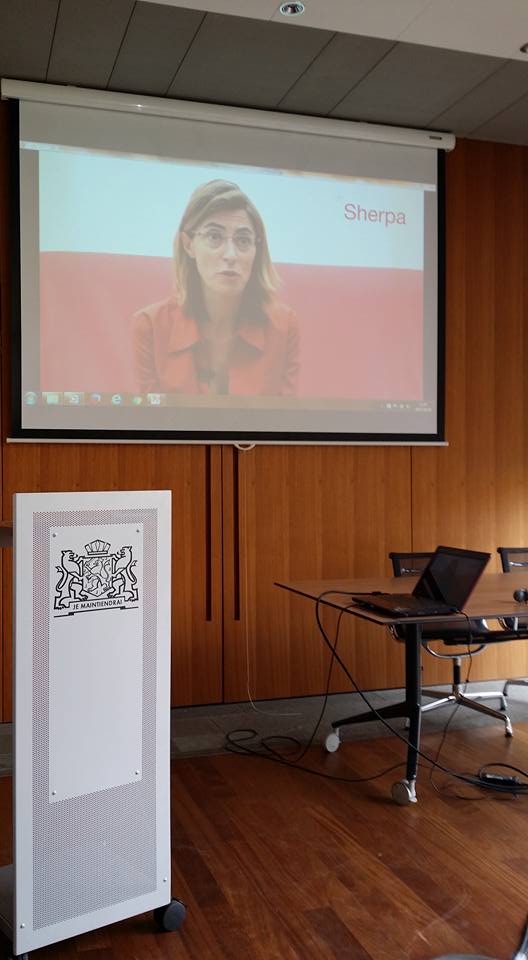
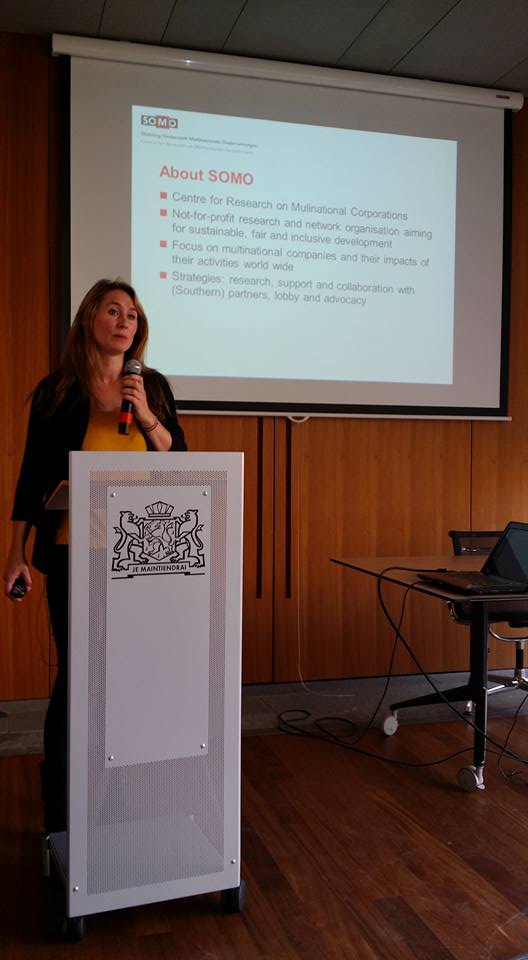
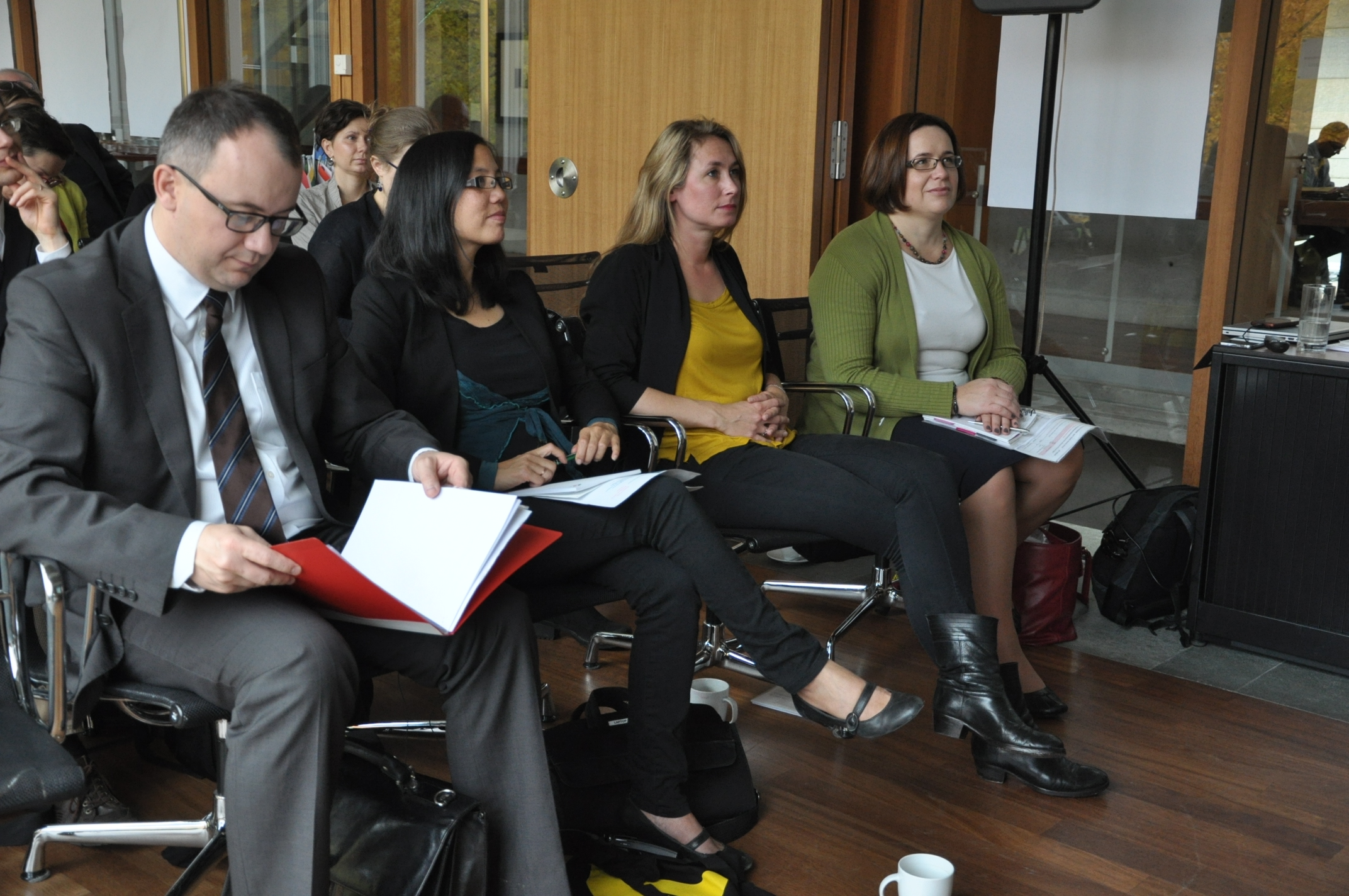
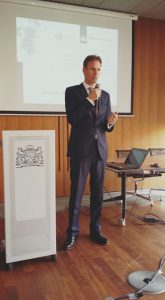
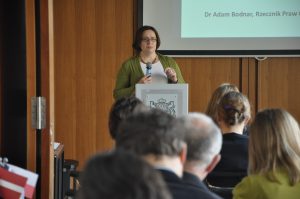
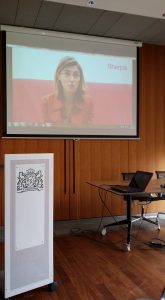
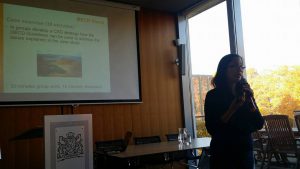
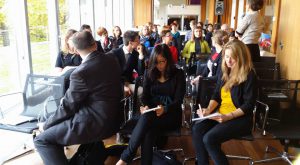
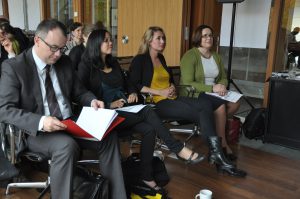
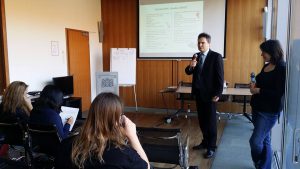
Warsztat, który odbył się w miniony poniedziałek i wtorek (26-27.10.2015) w Ambasadzie Królestwa Niderlandów, miał na celu przybliżenie przedstawicielom środowiska pozarządowego problematyki praw człowieka i biznesu oraz pogłębienie ich wiedzy i kompetencji w tym obszarze aby zwiększyć wpływ NGOs na wdrażanie Wytycznych ONZ dot. biznesu i praw człowieka (UN Guiding Principles on Business and Human Rights (UNGPs)) przez biznes i administrację publiczną, oraz aby umożliwić merytoryczny i konstruktywny udział NGOs w procesie prowadzącym do wypracowania przez administrację publiczną Krajowego Planu Działania w zakresie biznesu i praw człowieka (KPD, ang. National Action Plan on Business and Human Rights (NAP)), prace nad którym mają się zacząć jesienią br. Z tego punktu widzenia niewątpliwie bardzo dużą wartością był udział w warsztacie przedstawicieli administracji publicznej, w tym pana Wojciecha Ponikiewskiego, Dyrektora Departamentu Narodów Zjednoczonych i Praw Człowieka i pana dr. Arkadiusza Tarnowskiego, KPK OECD / PAIiIZ, oraz ekspertki ds. Wytycznych OECD, Agaty Mężyńskiej.
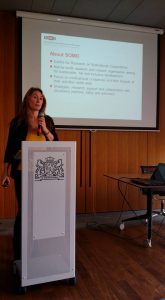
Warsztat stanowił też okazję do przedstawienia doświadczeń w ww. zakresie organizacji pozarządowych z innych krajów tj. Centre for Research on Multinational Corporations (SOMO), International Corporate Accountability Roundtable (ICAR), Sherpa, Bern Declaration oraz OECD Watch.
W czasie warsztatu szczególną uwagę poświęcono funkcjonowaniu pozasądowego mechanizmu skargowego w oparciu o skargi do Krajowego Punktu Kontaktowego OECD (KPK OECD), przybliżeniu uczestnikom warsztatu procedury skargowej jak również możliwości wykorzystania procesu KPD do poprawy efektywności funkcjonowania KPK OECD.
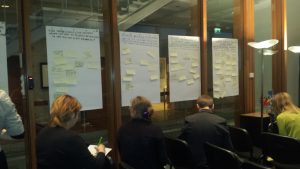
Ponadto, w ramach pracy w grupach podjęto próbę zmapowania oczekiwań NGOs odnośnie ich partycypacji w procesie prac nad KPD oraz zawartości KPD.
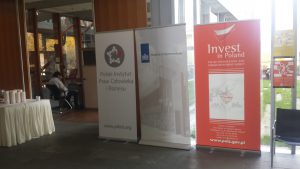
Galeria zdjęć ( (c) Polski Instytut Praw Człowieka i Biznesu, Ambasada Holenderska, Marta Matkowska)
utworzone przez Faratka | paź 21, 2015 | News, Szkolenia i wydarzenia
Z przyjemnością informujemy, że Rzecznik Praw Obywatelskich objął swoim patronatem honorowym warsztat dla biznesu organizowany przez nas 12 listopada 2015 r. a poświęcony raportowaniu w oparciu o Ramy sprawozdawczości zgodnej z Wytycznymi ONZ dot. biznesu i praw człowieka.
Cieszymy się tym bardziej, że Rzecznik także weźmie udział w części warsztatu.
Więcej informacji na temat wydarzenia znajdą Państwo na stronie dedykowanej temu wydarzeniu – tutaj.
utworzone przez Faratka | paź 16, 2015 | Komentarze, News
Komentarz 4/2015 – PDF
(Niniejszy komentarz ukazał się pierwotnie 21.09.2015 na blogu portalu UNGPs Reporting)
If you don’t have the words to describe a certain concept or reality, how can you talk about it, much less take action to address it? Without the words, the issue is not named, and if the issue is not named, it doesn’t exist – and you can’t manage it.
This is the challenge of implementing the UN Guiding Principles on Business and Human Rights (UNGPs) in Poland, where companies had, up to this point, little guidance on implementation in our language. For the last several years, reporting by Polish companies about general sustainability has, for the most part, improved. Yet at the Polish Institute for Human Rights and Business (PIHRB), we found ourselves frustrated with numerous descriptions of philanthropic activities or community engagement that wholesale ignored how these companies may be negatively impacting people’s human rights through their own activities and business relationships. Overall awareness of this potential for negative impact – and the need to prevent or mitigate it, as expected under the UNGPs – was and remains fairly low amongst most Polish companies.
By investing in the translation of the UN Guiding Principles Reporting Framework, we supported the development of Polish language to talk about how companies can practice their responsibility to respect human rights. The Reporting Framework provides critical guidance on both human rights management and communication and transparency that further builds companies’ capacity to practice respect for human rights, following our translation into Polish of the UNGPs last year.
The translation process clearly showed that Polish speakers were lacking equivalents of a number of key concepts that are critical for corporate implementation of the UNGPs, like human rights due diligence. We realized the lack of Polish language for these concepts is a significant barrier that inhibits companies’ ability not only to implement processes to manage human rights issues, but to even have a conversation about them.
We hope to change this situation by providing Polish companies with Polish-language guidance on how to report on how they respect human rights. The UN Guiding Principles Reporting Framework and its implementation guidance, which we plan to make available in Polish this autumn, helps companies by asking the right questions to build their understanding of what human rights are and how they relate to their everyday operations. We hope that as companies become more familiar with the UNGP Reporting Framework we will also see improvement in the quality of their reporting, which is critical for transparency and accountability as well as preparedness for regulations such as the EU non-financial reporting Directive. The UNGP Reporting Framework’s focus on questions about how the company makes profit – its operations – and not on how it spends it – philanthropy – can trigger a breakthrough for Polish companies to be able to implement the UN Guiding Principles and practice respect for human rights.
* * *
Autor: Beata Faracik, Prawnik, Ekspert ds. praw człowieka i biznesu. Prezeska Polskiego Instytutu Praw Człowieka i Biznesu.
(Wrzesień 2015)